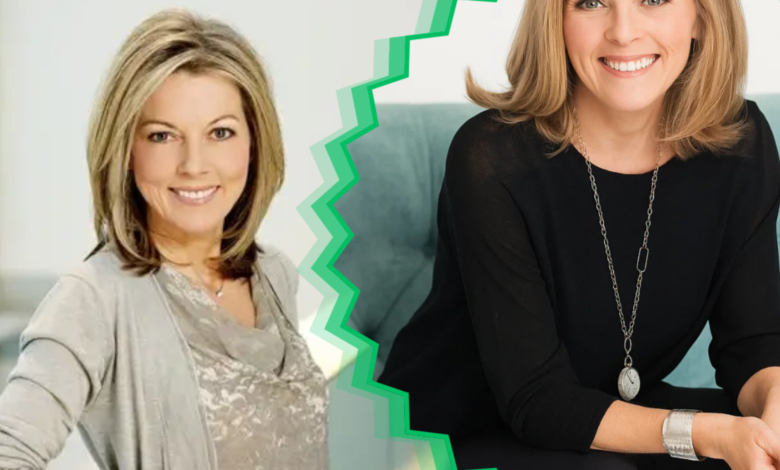
Mary Nightingale is healthy and actively anchoring ITV Evening News in 2026. Discover the truth behind her throat cancer scare, voice loss recovery story, 2026 health update, and why illness rumours continue to circulate about Britain’s longest-serving news anchor.
Quick Facts Table
| Detail | Information |
|---|---|
| Full Name | Mary Nightingale |
| Date of Birth | May 26, 1963 |
| Age (2026) | 62 years old |
| Birthplace | Scarborough, North Yorkshire, England |
| Nationality | British |
| Education | BA English – Bedford College, University of London |
| Career Start | Early 1990s (ITV World Business Satellite) |
| ITV Evening News Anchor | 2001 – present |
| Role Distinction | Britain’s longest-serving single-network news anchor |
| TRIC Awards | Newscaster of the Year (twice) |
| Husband | Paul Fenwick (married April 2000, New York City) |
| Children | Two sons |
| Real Illness (Early 2000s) | Stress-induced vocal strain; throat cancer tested and ruled out |
| Testing Duration | 15+ months of medical evaluations |
| Throat Cancer Result | ❌ Ruled out — no cancer confirmed |
| Recovery Method | Vocal coaching, speech therapy, lifestyle changes |
| 2026 Health Status | ✅ Healthy — active ITV anchor, no serious illness confirmed |
| ITV 2026 Statement | No official reports of serious health condition |
Mary Nightingale Illness 2026 – The Verdict First
The truth is clear. Mary Nightingale does not suffer from a serious illness in 2026. Moreover, no official reports or statements from ITV suggest she faces any major health condition.
As of mid-2026, she remains the lead anchor of ITV Evening News — a role she has held continuously since 2001. Furthermore, ITV’s official presenter page lists her as an active and central member of the news team. Additionally, she continues to appear regularly in broadcasts, conduct high-profile interviews, and attend public events with her characteristic composure and clarity.
No credible health emergency exists. However, a genuine health story does lie behind the rumours. Specifically, Mary faced a frightening throat scare in the early 2000s that tested her resilience and changed how she approaches her career. Moreover, that real story is far more interesting — and far more instructive — than the fabricated illness narratives that continue to circulate online in 2026.
Mary Nightingale Biography – The Woman Behind the Desk
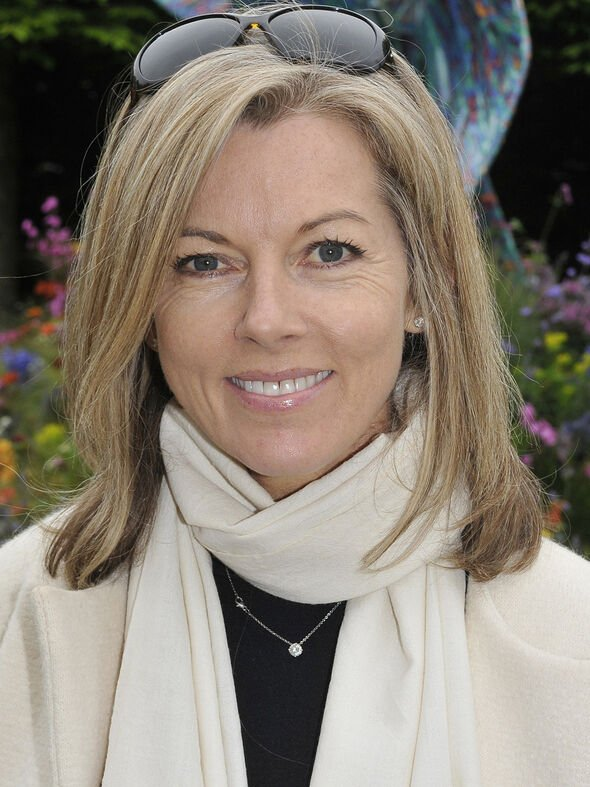
To understand the illness story, first understand who Mary Nightingale is and what she built before any health challenge arrived. Furthermore, that context explains why her story resonates so deeply with British audiences.
Mary Nightingale was born on May 26, 1963, in Scarborough, North Yorkshire — a grounded, northern English upbringing that gave her a directness and clarity of expression that cameras never entirely manufacture. She was the third of four daughters. Moreover, her early years involved multiple relocations — to Marlow, Buckinghamshire at age four, and later to Devon during her teenage years. Consequently, she grew up comfortable with change and transition.
She attended several prestigious schools, including Danesfield School in Medmenham, St Margaret’s School in Exeter, and King Edward VI School in Totnes. Furthermore, she pursued higher education at Bedford College, University of London, where she earned a Bachelor of Arts in English. That degree in language and communication proved to be the ideal foundation for the career she built.
Her professional journey began in an unexpected place. During the 1980s, she worked on Eurobond trading floors in the City of London. Additionally, she later transitioned into broadcasting via ITV’s World Business Satellite, where she worked as a presenter and writer. From there, she presented programmes including Wish You Were Here and co-anchored London Tonight. Furthermore, in 2001, she joined ITN and took the lead anchor role at ITV Evening News — a position she has held ever since.
In 2017, ITV transitioned the programme to a single-anchor format. Notably, Mary remained as the sole presenter. Consequently, she became Britain’s longest-serving presenter of one network news programme — a record that reflects both her skill and her exceptional relationship with ITV’s audience.
She married television producer Paul Fenwick in April 2000 in New York City. Moreover, the couple have two sons together. Despite her public profile, she maintains a deeply private family life — a consistent theme in everything she does.
Mary Nightingale Throat Cancer Scare
The most significant health event in Mary Nightingale’s career occurred in the early 2000s — almost immediately after she joined ITV Evening News. Specifically, she began experiencing noticeable changes in her voice that alarmed both herself and her medical team.
The symptoms raised an immediate and frightening possibility. Doctors could not immediately identify the cause. Consequently, Mary underwent an exhaustive series of medical evaluations that included throat cancer screenings, scans, and vocal cord assessments. Furthermore, that testing process lasted over 15 months — a prolonged period of medical uncertainty that she managed while continuing to anchor live news broadcasts.
At just 38 years old and recently named Newscaster of the Year, she faced the terrifying prospect that her voice — the very instrument her career depended on — might be seriously compromised. Moreover, the uncertainty itself became its own kind of burden. Every broadcast became a test of whether her voice would hold out. Additionally, the physical symptoms fed a cycle of anxiety that further stressed the very vocal cords causing concern.
In 2002, the media reported on her condition — describing it publicly as a “mystery condition” affecting her voice. Furthermore, ITV confirmed she was receiving expert care to protect her voice and prevent further complications. Colleagues expressed support. Viewers responded with concern and warmth.
The critical finding was this: doctors ruled out throat cancer entirely. No malignancy was present. No cancer diagnosis was confirmed. Moreover, the cause turned out to be something far less physically threatening — but no less serious in its professional implications.
Mary Nightingale Voice Loss and Stress
After ruling out cancer, experts identified the true cause of Mary’s vocal difficulties. Specifically, the condition resulted from stress-induced vocal strain — a form of dysphonia triggered by sustained psychological pressure rather than physical disease. Moreover, the diagnosis made complete sense given the circumstances.
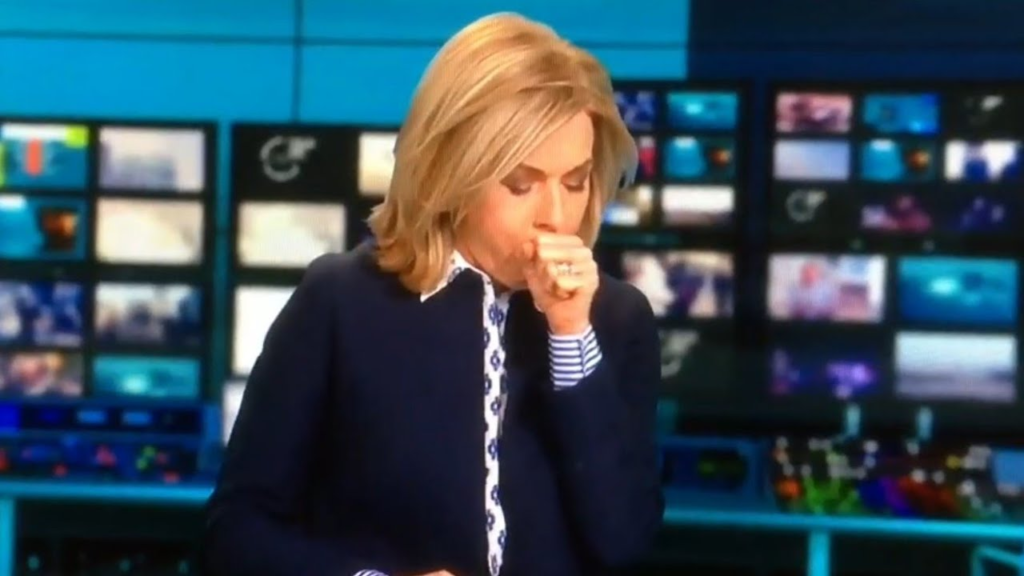
She had just taken the highest-profile role of her career. Furthermore, live news anchoring demands continuous vocal performance under the unrelenting pressure of breaking events, technical demands, and audience expectations. Additionally, the fear and anxiety that accompanied her undiagnosed symptoms created a vicious cycle — stress damaged her voice, and worry about her voice increased her stress.
Experts who reviewed her case confirmed that worry and sustained pressure had triggered the condition rather than any underlying medical pathology. Furthermore, they identified a clear path to recovery. However, that path required time, commitment, and significant lifestyle adjustment. Consequently, it also required ITV’s understanding and support — which, notably, the organisation provided.
Voice coaches and throat specialists prescribed techniques drawn from professional singing training. Specifically, they focused on proper breathing, correct posture, vocal warm-up routines, and hygiene practices designed to reduce strain on her vocal cords. Moreover, these methods required consistent daily practice rather than a quick clinical fix.
Mary Nightingale Recovery Story
Mary Nightingale’s recovery from stress-induced voice loss stands as one of the more genuinely inspiring stories in British broadcasting. Moreover, it demonstrates what sustained professional commitment and personal self-awareness can achieve when combined with expert support.
She committed fully to the recovery process. Specifically, she worked closely with speech therapists and vocal coaches over several months. Furthermore, she adopted significant lifestyle changes alongside the therapeutic work. She increased her daily water intake, reduced caffeine consumption, and took regular breaks between broadcast commitments. Additionally, she learned and applied better posture techniques for seated on-camera performance — adjustments that reduced unnecessary strain on her throat during long broadcasting shifts.
She also addressed the underlying stress directly. Furthermore, she worked on developing better mental management strategies for the specific pressures of live news anchoring. Consequently, the recovery was not purely physical — it was a holistic restructuring of how she managed the demands of her career.
ITV provided meaningful support throughout the process. The organisation gave her scheduling flexibility and demonstrated genuine empathy toward her situation. Moreover, they maintained her position as anchor throughout — a decision that confirmed institutional confidence in her recovery and long-term value to the programme.
Bit by bit, her voice returned. Furthermore, it returned stronger and better protected than before. She emerged from the experience not diminished, but equipped. Additionally, her knowledge of vocal health and stress management now informs how she approaches every broadcast.
Mary Nightingale ITV News Health in 2026
As of 2026, Mary Nightingale’s health status is clear. She remains active, healthy, and fully committed to her ITV Evening News role. Moreover, no credible source — including ITV, any medical professional, or any verified news outlet — has confirmed any serious illness.
She presents the ITV Evening News with the same professionalism, clarity, and composed authority that have defined her career for over two decades. Furthermore, she conducts high-profile interviews, covers major national stories, and attends public events without any visible sign of health difficulty. Additionally, ITV continues to feature her prominently across its news output — the clearest possible institutional signal that no significant health concern affects her work.
One credible health-focused outlet summarised the situation in early 2026: no credible reports of any recurrence of her previous vocal difficulties exist, and no other major health concerns apply. Furthermore, her management has not issued any statements suggesting otherwise.
Mary Nightingale Age 62 – Health in Context
At 62 years old in 2026, Mary Nightingale continues to defy the industry’s persistent ageism. Moreover, her enduring presence on ITV Evening News demonstrates that talent, professionalism, and viewer trust genuinely transcend age-related stereotypes in broadcasting.
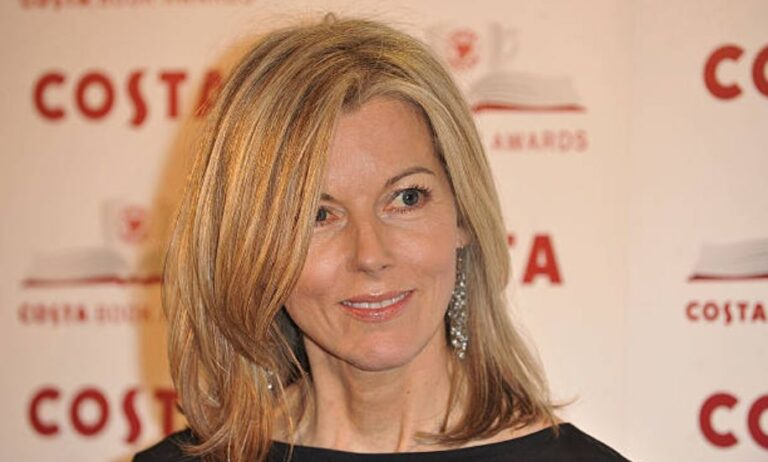
Her age itself contributes to online health speculation. Specifically, she falls into a demographic that fans and media naturally monitor more closely. Furthermore, any brief absence from the screen — whether for holiday, a personal commitment, or routine scheduling — generates concern among viewers who associate absence with illness. Consequently, minor breaks that younger presenters take without comment become material for health speculation when a 62-year-old anchor takes them.
However, the pattern of her career tells a different story entirely. She has presented live news through royal funerals, general elections, global crises, and historic political events without significant interruption across more than two decades. Moreover, that record of sustained performance speaks more clearly than any rumour.
Mary Nightingale Illness Rumors – Why They Persist
Understanding why Mary Nightingale illness rumours persist matters for anyone who values accurate information about public figures. Furthermore, the pattern behind these rumours applies broadly — not just to her.
Several factors create the conditions for health misinformation. First, her privacy creates speculation. Mary Nightingale consistently keeps personal matters private. Moreover, she rarely discusses her health publicly beyond the disclosures she chose to make in 2002. Consequently, that silence gives misinformation creators room to fill gaps with invented narratives.
Second, her early health story provides a hook. The 2002 throat scare is a documented, real event. Furthermore, low-quality websites take that real story and add false contemporary details — claiming cancer diagnoses, current illnesses, or ongoing medical crises that have no factual basis. Consequently, articles mixing real history with false current claims appear superficially credible to casual readers.
Third, her age increases emotional sensitivity. Searches for illness information about beloved presenters spike with age. Moreover, audiences who have watched Mary for twenty-plus years carry genuine emotional investment in her wellbeing. Furthermore, that emotional investment overrides critical reading habits when a scary headline appears.
Mary Nightingale Health Condition Today – What 2026 Confirms
The facts about Mary Nightingale’s health condition in 2026 deserve clear, direct statement. Moreover, they deserve repeating wherever misinformation circulates.
She does not have cancer. She does not face any confirmed chronic or life-threatening condition. Furthermore, ITV has issued no statements regarding any medical crisis affecting her ability to work. Additionally, she appears regularly on screen, at public events, and in her professional capacity without any visible indicators of serious illness.
The real health story belongs to the early 2000s. Specifically, it involves a throat scare that turned out to be stress-induced vocal strain rather than cancer, a 15-month testing process that ruled out malignancy, and a recovery built on vocal coaching, lifestyle adjustment, and professional self-care. Moreover, that story is one of resilience and intelligent self-management — not ongoing illness.
Mary Nightingale Health Resilience – The Broader Lesson
Mary Nightingale’s health journey offers lessons that extend well beyond celebrity health coverage. Furthermore, they apply directly to professionals in any high-pressure, voice-dependent career.
Her experience demonstrated the real physiological consequences of sustained professional stress. Specifically, it showed how anxiety and vocal overuse can create symptoms serious enough to mimic pathological disease. Moreover, it showed that early intervention, professional support, and genuine lifestyle change can reverse those symptoms completely.
Additionally, her recovery inspired vocal coaches and media trainers who now reference her story as a practical example of protective vocal health practices. She did not launch a formal health campaign. However, her quiet perseverance and professional transparency in 2002 created a lasting educational legacy for broadcasters, teachers, and public speakers.
In 2026, at 62, presenting ITV Evening News with undiminished authority, Mary Nightingale lives the ongoing answer to every illness rumour that circulates about her. Furthermore, she does so simply by continuing to do her job — with the same calm, professional excellence she has delivered for over three decades.
- Tyna Karageorge – Age, Bio, Brian Urlacher’s Ex & Son Kennedy and controversy 2026 guide
- Bert Girigorie Age, Net Worth, Wendy Williams Ex-Husband Biography & Career 2026
- Janet Condra – Larry Bird’s First Wife & Mother of Corrie 2026 guide
- Maximiliano Camacho Jones – Rebecca Jones’ Son latest guide 2026
- Kelsy Ully – Jonathan Scott’s Ex‑Wife & Private Life in 2026



One Comment